



For many Westland residents, the route to the Romulus clinic is simple: follow Wayne Road south. Taylor Vein Solutions is approximately 8 to 9 miles away, and patients from the 48185 and 48186 ZIP code areas often arrive in 15 to 18 minutes. That proximity is useful when care includes an initial evaluation, a procedure, and follow-up imaging rather than a single appointment.
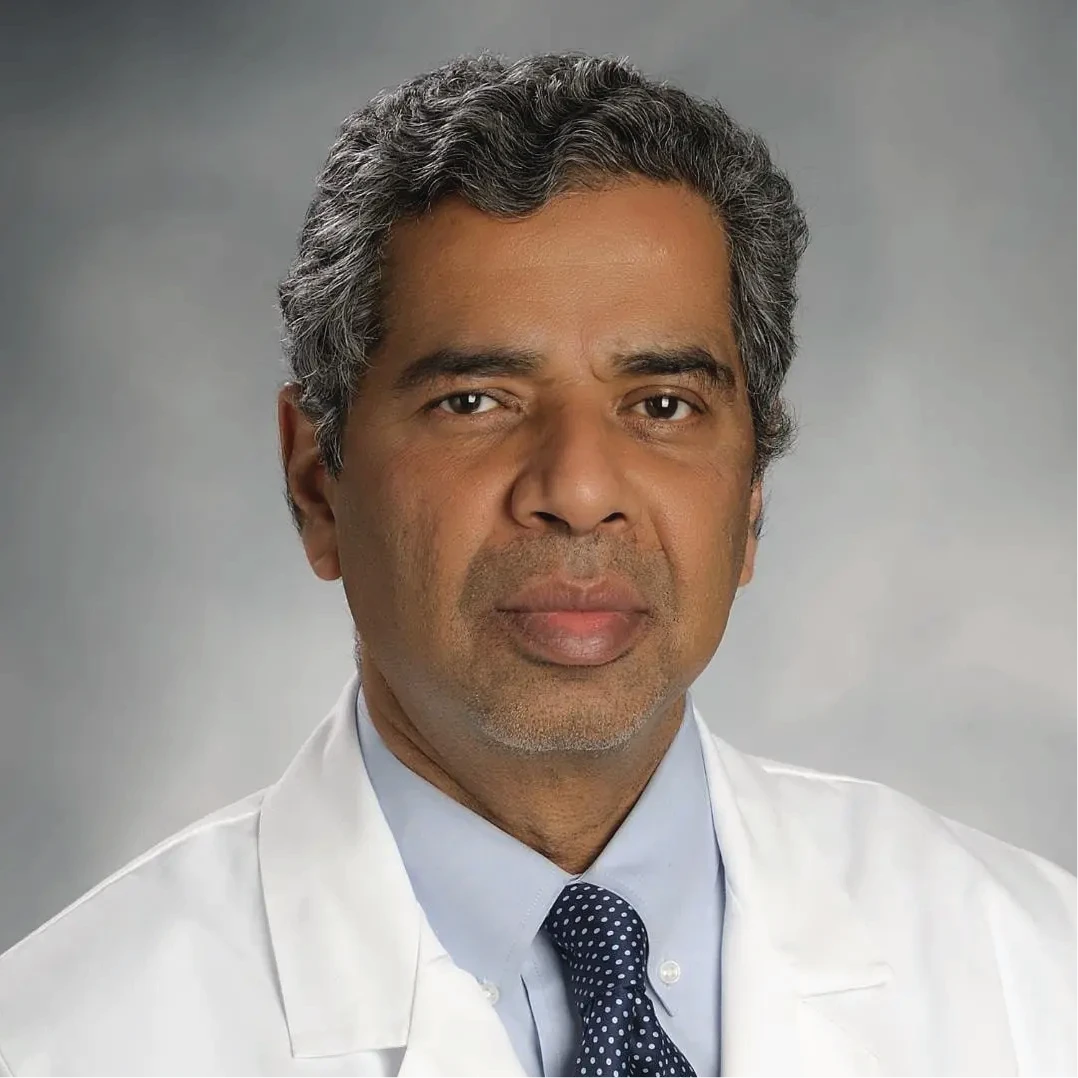
The first step is to understand why the legs feel different. Dr. Ganesh Ramaswami and the vascular team evaluate patterns such as swelling that increases during the day, restless or heavy legs, burning, itching, visible veins, or skin changes. Dr. Ramaswami is a board-certified surgeon with Royal College of Surgeons fellowship and advanced vascular ultrasound credentials, so treatment decisions are tied to both symptoms and imaging.
The Romulus office accepts most major insurance plans, Medicare, Medicaid, and many HMO plans. Free insurance verification helps patients understand whether a medical procedure may be covered, while cosmetic spider vein pricing can be reviewed separately. Prior authorization support is handled by the office when a plan requires it.
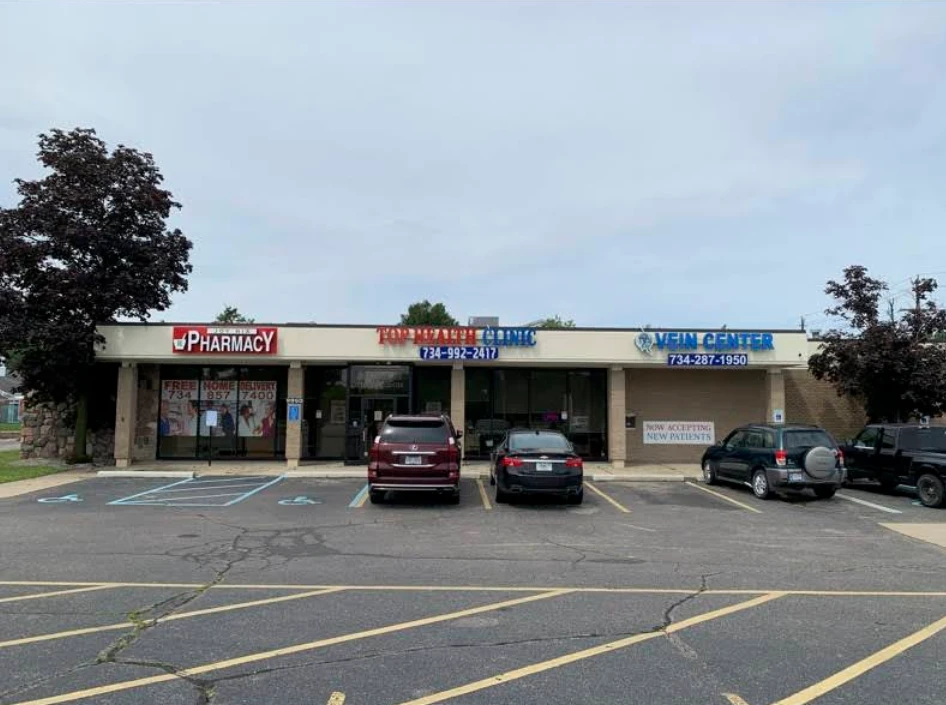
Our clinic at 9950 Wayne Rd, Suite 300, Romulus, MI 48174 is a straightforward drive south from Westland:
Wayne Road South: Take Wayne Road south from Ford Road through the City of Wayne and continue into Romulus. The clinic is near Goddard Road. Approximately 15 to 18 minutes from central Westland.
Merriman Road South: Follow Merriman Road south toward the airport area, turn west on Goddard Road, and continue to Wayne Road. About 17 to 20 minutes, depending on your starting neighborhood.
Middlebelt Road to Van Born Road: Take Middlebelt Road south, turn west on Van Born Road, and then travel south on Wayne Road. Approximately 18 to 22 minutes from eastern Westland.
Mon – Fri: 9:00am – 5:00pm
Sat – Sun: Closed
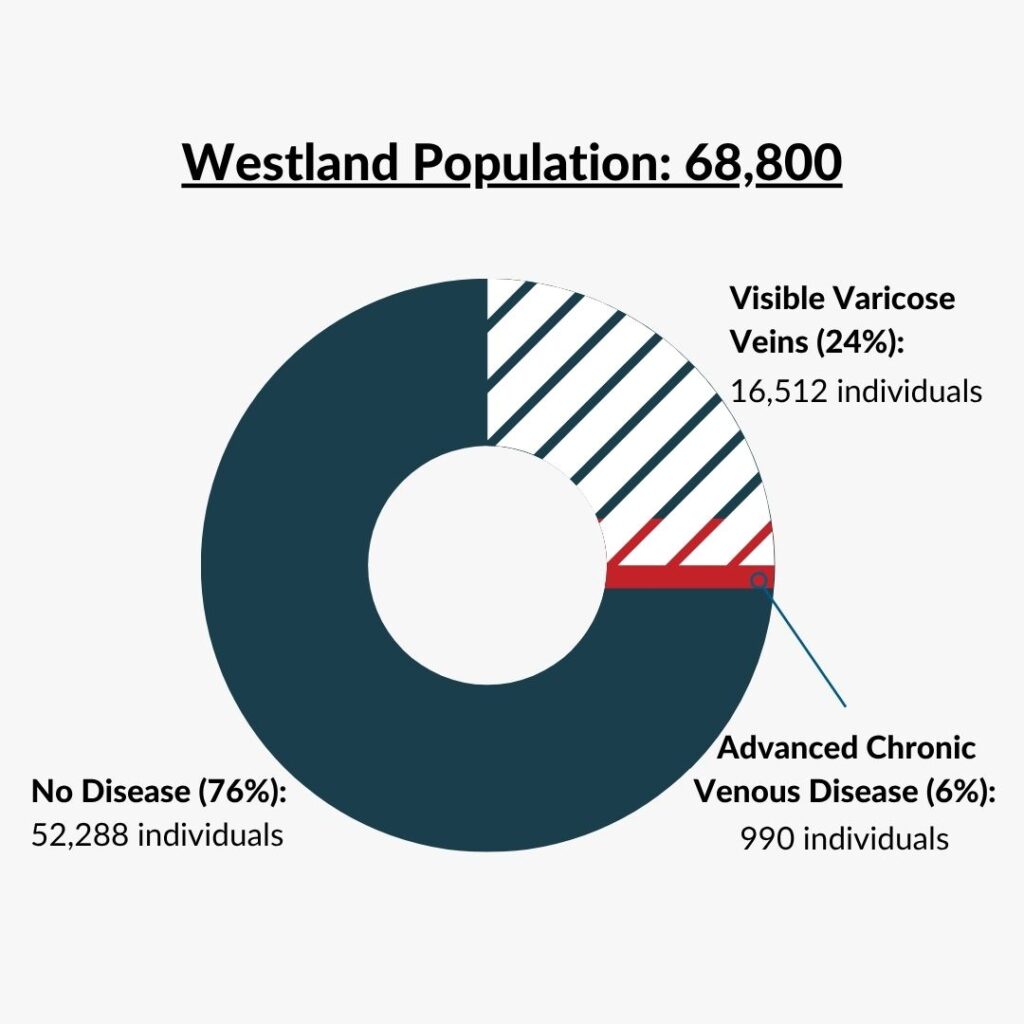
Varicose veins are widespread and may represent more than a surface-level concern. Research indexed by the National Library of Medicine estimates that approximately 24% of adults have visible varicose veins, while about 6% have advanced chronic venous disease.
Westland has an estimated adult population of roughly 65,800 residents. Based on these national estimates, approximately 15,800 local adults may have visible varicose veins, while around 3,950 could be living with a more advanced venous condition.
Leg swelling that builds through the day, heaviness, aching, restless legs, itching, brown discoloration, or a wound near the ankle that heals slowly may be linked to poor venous circulation. These symptoms deserve evaluation even when the visible veins appear small.
A duplex ultrasound can identify backward blood flow, show which vein is affected, and help the provider determine whether monitoring, compression, or minimally invasive treatment is the appropriate next step.
Many procedures take 15 to 45 minutes and allow patients to return to ordinary activities quickly. That can make treatment easier to plan around work, family responsibilities, and the places you enjoy in Westland:
If swollen or restless legs are beginning to change your daily routine, schedule an evaluation at the Romulus clinic. The goal is to determine whether circulation is involved before symptoms become harder to manage.
A treatment plan should match the problem causing the symptoms. Duplex ultrasound allows the team to see the direction of blood flow and locate valves that are not closing properly. This is especially useful when a patient has heaviness, swelling, burning, or skin irritation but only a few visible veins.
Radiofrequency ablation and VenaSeal close larger refluxing veins through a small catheter. Foam-based therapy can treat branching or twisting veins, while compounded sclerotherapy and laser are used for smaller veins near the skin. Microphlebectomy is an option for bulging surface veins that need to be removed directly.
Some Westland patients need medical treatment to improve symptoms, while others are mainly concerned about appearance. When both issues are present, the care team can sequence treatment so the underlying reflux is addressed before remaining spider veins.
The Romulus clinic is a direct drive down Wayne Road. Contact Taylor Vein Solutions to review your symptoms, insurance coverage, and the treatment options supported by your ultrasound findings.

Taylor Vein Solutions accepts most major insurance plans, including Medicare, Medicaid, and many HMO plans. Our team provides free insurance verification and assists with prior authorization when required.

Our treatment options are designed to address varicose veins, spider veins, and underlying venous reflux through small incisions, injections, catheter-based procedures, or medical adhesive when appropriate.
Highly trained vein specialist
The clinic is approximately 8 to 9 miles from central Westland. Many patients reach it in about 15 to 18 minutes by following Wayne Road south through the City of Wayne.
Restless legs have several possible causes. When the feeling occurs with heaviness, swelling, aching, or varicose veins, poor venous circulation may be contributing. An ultrasound can help determine whether reflux is present.
Most major plans cover medically necessary treatment when symptoms and ultrasound findings meet policy requirements. Taylor Vein Solutions accepts Medicare, Medicaid, and many HMO plans and offers free benefits verification.
Long-term pressure in the lower-leg veins can contribute to inflammation and brown discoloration near the ankle. Thickened skin or a slow-healing sore can indicate more advanced venous disease and should be evaluated.
Radiofrequency ablation uses controlled heat delivered through a catheter to close a refluxing vein. Foam therapy uses an injectable medication that fills and closes the vein and can be useful for curved or branching veins.
Many patients return to work and routine activities the same day. Temporary restrictions may be needed for strenuous jobs, and microphlebectomy can require 24 to 48 hours of reduced activity.
Pricing depends on the number, size, and location of the veins and the treatment method used. The office reviews expected sessions and self-pay costs before cosmetic care begins.
Many patients can schedule directly, although some HMO and insurance plans require a referral. The office can review your benefits and explain what is needed before the consultation.


