
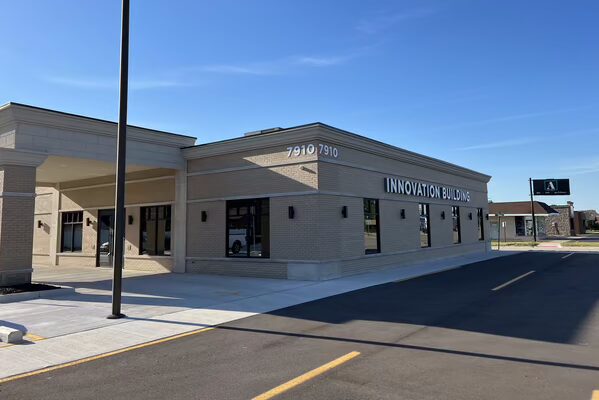



Inkster patients do not need to travel far to find out whether leg symptoms are connected to vein disease. Taylor Vein Solutions is about 5 to 6 miles away, and many residents in the 48141 ZIP code area reach the clinic in 10 to 12 minutes. That proximity is valuable when care involves an evaluation, a procedure, and a follow-up visit rather than a single appointment.
The first step is designed to create clarity. The team asks when symptoms began, what makes them worse, whether there is a family history of varicose veins, and whether the concern is discomfort, appearance, or both. A same-day duplex ultrasound is often available when symptoms suggest venous reflux, allowing the provider to explain the findings before discussing treatment.
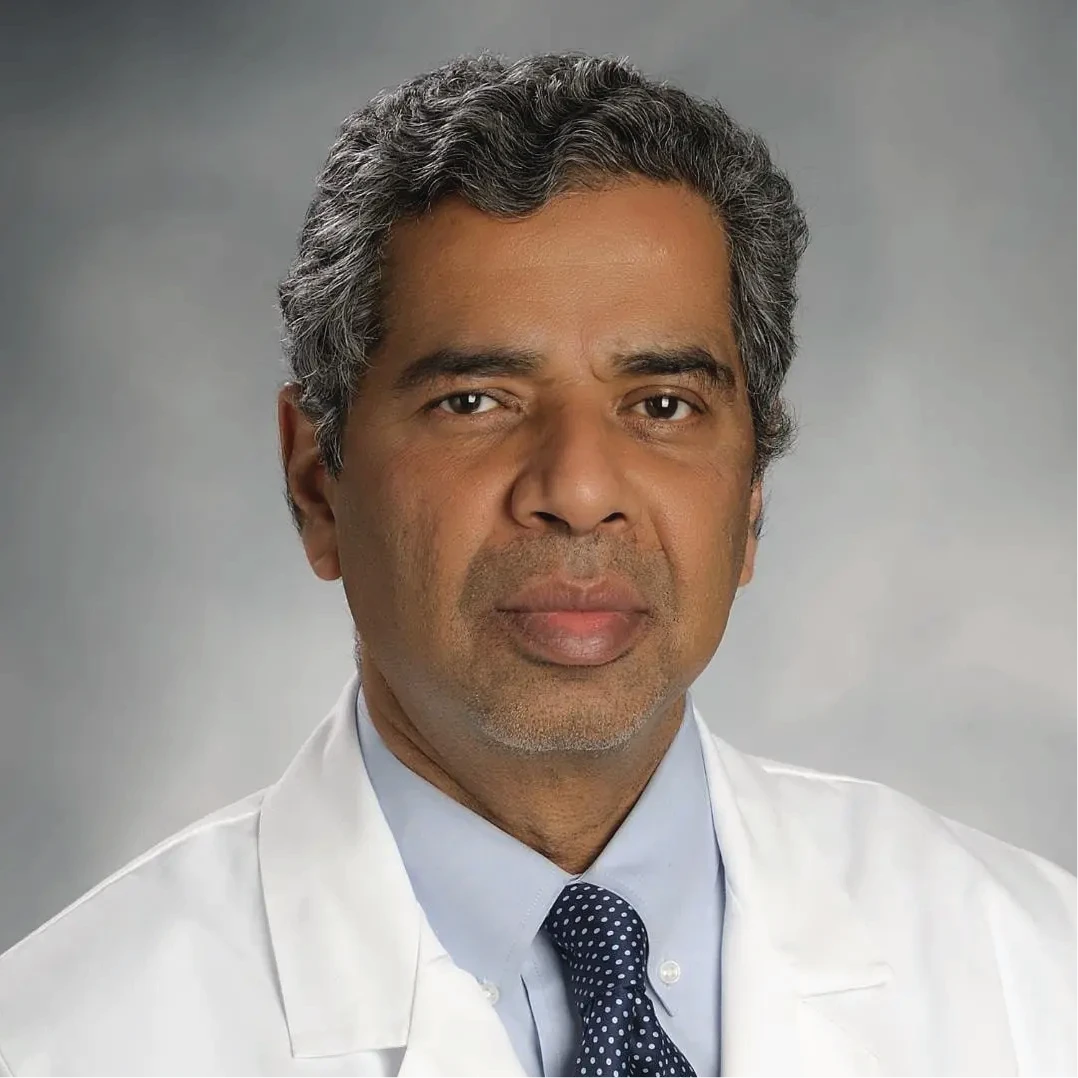
Dr. Ganesh Ramaswami is a board-certified surgeon with advanced vascular imaging credentials. Rather than leading with a list of procedures, he uses the examination and ultrasound to determine whether a patient needs medical treatment, cosmetic care, compression, monitoring, or no procedure at all.
Cost is also addressed early. Taylor Vein Solutions accepts most major insurance plans, Medicare, Medicaid, and many HMO plans. The office provides free insurance verification, handles prior authorization for qualifying care, and explains self-pay pricing when spider vein treatment is cosmetic.
Our clinic at 12701 Telegraph Rd, Suite 102, Taylor, MI 48180 is close to Inkster and easy to reach:
Inkster Road to Van Born Road: Take Inkster Road south, turn east on Van Born Road, and then turn south on Telegraph Road. Continue to the clinic near Wick Road. Approximately 10 to 12 minutes.
Middlebelt Road South: Follow Middlebelt Road south, turn east on Ecorse Road, and continue toward Telegraph Road. About 12 to 15 minutes from central Inkster.
Beech Daly Road to Wick Road: Travel south on Beech Daly Road, turn east on Wick Road, and continue to Telegraph Road. Approximately 12 to 15 minutes, depending on your starting point.
Mon – Fri: 9:00am – 5:00pm
Sat – Sun: Closed
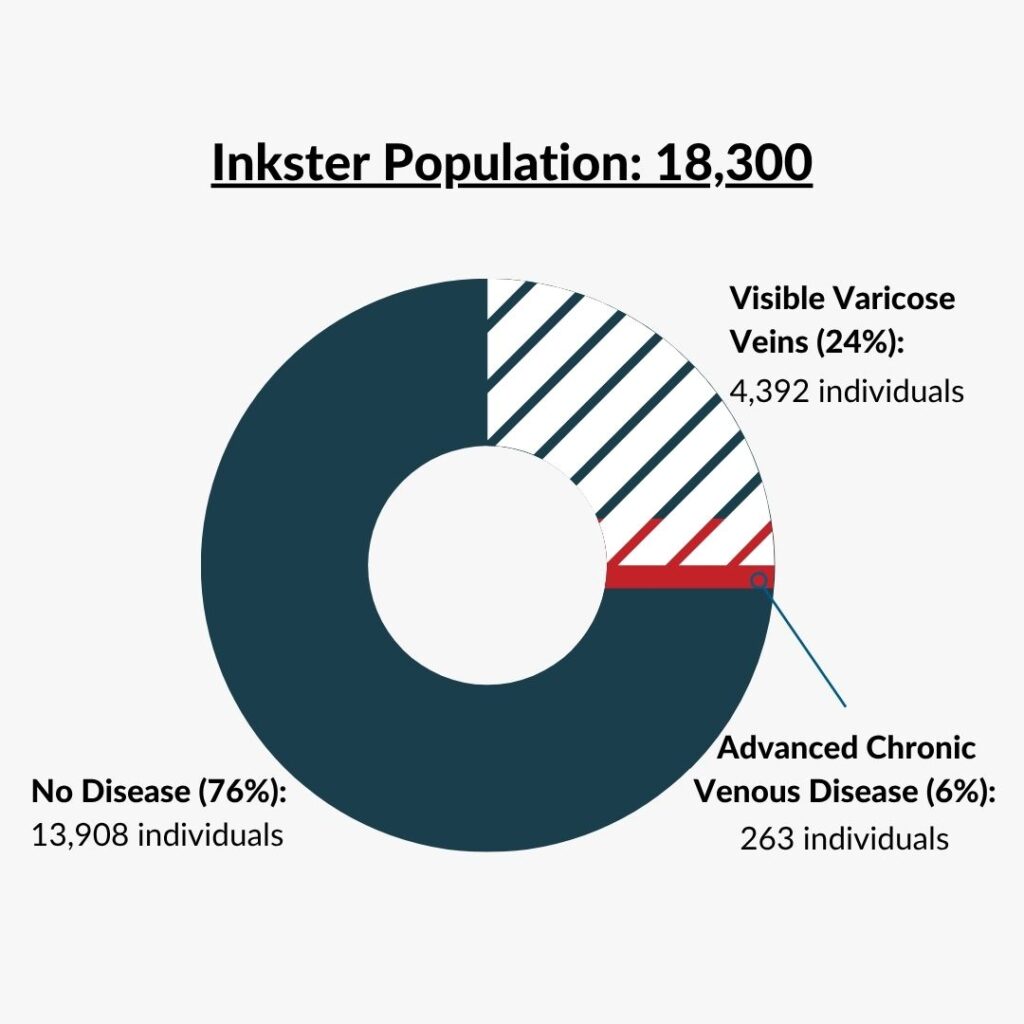
Varicose veins and other venous conditions are widespread, even when symptoms are mild at first. Research indexed by the National Library of Medicine estimates that approximately 24% of adults have visible varicose veins, while about 6% show signs of advanced chronic venous disease.
Inkster has an estimated adult population of roughly 18,300 residents. Applying these national estimates suggests that approximately 4,390 local adults may have visible varicose veins, while about 1,100 could be affected by a more advanced venous condition.
New spider veins, ankle swelling, leg fatigue, cramping, itching, burning, or veins that continue to enlarge may be signs that circulation should be evaluated. These symptoms can develop gradually and are easy to dismiss until they begin affecting daily comfort.
Our vein specialists can use duplex ultrasound to determine whether the concern is limited to surface veins or connected to underlying venous reflux, then explain the most appropriate treatment or monitoring options.
Convenience matters for patients who are balancing work, family, transportation, and medical costs. The nearby Taylor clinic keeps the process practical while many treatments require little downtime:
The process should make the diagnosis, cost, and next step easier to understand. Schedule a consultation at the Taylor clinic to discuss your symptoms and determine whether the concern is medical, cosmetic, or a combination of both.
A patient with aching, swelling, and a large refluxing vein needs a different plan from someone concerned only about a small cluster of spider veins. The Taylor team uses ultrasound when indicated to identify the vein type, blood-flow pattern, and source of pressure before choosing a treatment.
Radiofrequency ablation and VenaSeal are designed to close larger superficial veins that are not functioning correctly. Foam-based therapy can treat selected branches and twisting veins. Compounded sclerotherapy or laser may be recommended for smaller visible vessels, while microphlebectomy removes raised varicose veins through tiny skin openings.
For Inkster patients, the distinction between medical and cosmetic care is important. Symptoms and ultrasound findings may allow medically necessary treatment to be considered by insurance. Surface spider veins without symptoms are more often self-pay, and the number of sessions depends on how many veins are present and how they respond.
The office explains expected discomfort, activity restrictions, compression guidance, and likely follow-up before treatment begins, so the plan does not create avoidable surprises.

Taylor Vein Solutions accepts most major insurance plans, including Medicare, Medicaid, and many HMO plans. Our team provides free insurance verification and assists with prior authorization when required.


Our treatment options are designed to address varicose veins, spider veins, and underlying venous reflux through small incisions, injections, catheter-based procedures, or medical adhesive when appropriate.
Highly trained vein specialist
The clinic is approximately 5 to 6 miles from central Inkster. Many patients reach it in about 10 to 12 minutes using Inkster Road, Van Born Road, and Telegraph Road.
Yes. Taylor Vein Solutions accepts Medicaid, Medicare, many HMO plans, and most major insurance carriers. The office verifies the specific plan before treatment because coverage rules vary.
Medical treatment may be covered when symptoms and ultrasound findings meet the insurer’s criteria. Cosmetic spider vein treatment is usually self-pay. The clinic reviews benefits and pricing before scheduling.
Yes. Some patients seek an evaluation because veins are changing in appearance, while others have heaviness, swelling, or skin symptoms. The provider can explain whether monitoring, cosmetic care, or medical testing is appropriate.
The number varies with vein size, number, location, and response. Some patients need one or two sessions, while more extensive areas may require additional treatment. The estimate is discussed after examination.
Patients may feel pressure, pinching, warmth, or brief stinging depending on the procedure. Local anesthesia is used when appropriate. Mild bruising or soreness can occur, but significant pain is not expected for most treatments.
Many patients return to ordinary activity and non-strenuous work the same day. Physical jobs or microphlebectomy may require 24 to 48 hours of lighter activity or temporary lifting limits.
The provider can explain the likely course based on symptoms and ultrasound findings. Some veins can be monitored or managed with compression, while progressive swelling, skin changes, bleeding, or ulcers may require closer medical follow-up.


