
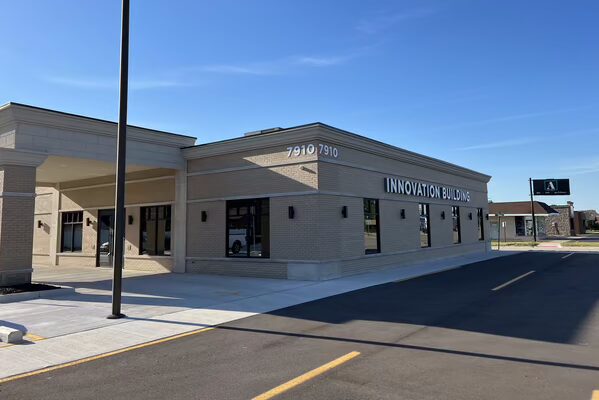



For many Garden City patients, the main concern is not only how a vein looks. It is whether swelling, heaviness, cramps, or skin changes are beginning to affect walking, errands, sleep, or independence. Taylor Vein Solutions is approximately 9 miles away in Taylor, with typical travel times of 17 to 20 minutes from the 48135 ZIP code area.
The clinic evaluates symptoms in the context of daily function. A person who notices ankle swelling after shopping, fatigue during a walk, or itching around a discolored patch of skin may need a different evaluation from someone seeking cosmetic spider vein care. A same-day duplex ultrasound is often available when deeper venous reflux is suspected.
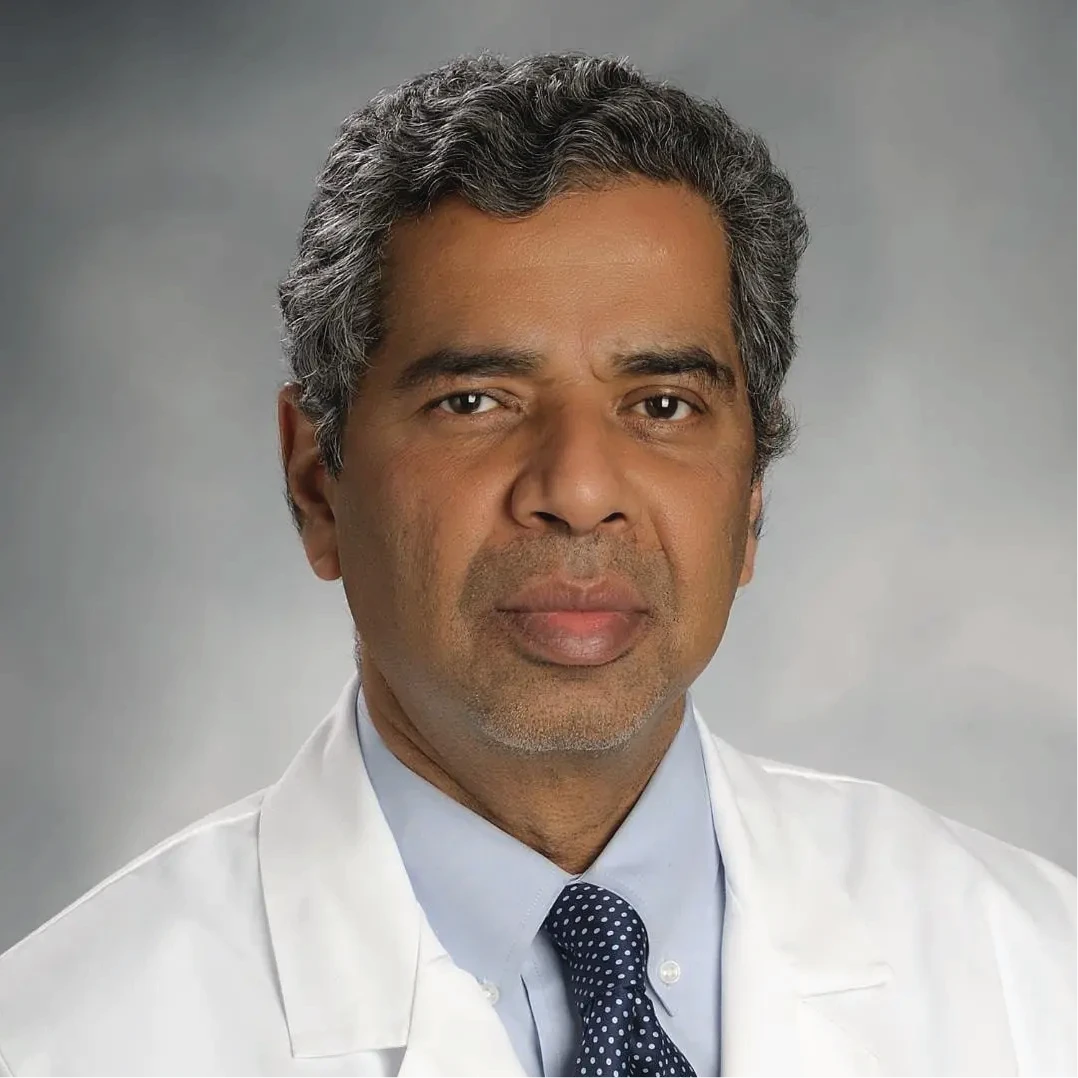
Dr. Ganesh Ramaswami is a board-certified surgeon with specialized training in vascular ultrasound interpretation. He is also a Fellow of the Royal College of Surgeons and has published extensively in surgery. His team uses those diagnostic findings to explain which vein is responsible and whether treatment is likely to improve symptoms or primarily address appearance.
Taylor Vein Solutions accepts Medicare, Medicaid, many HMO plans, and most major insurance providers. Free insurance verification and prior authorization support are available, which is especially useful when a plan requires documentation of symptoms, ultrasound findings, and conservative care.
Our clinic at 12701 Telegraph Rd, Suite 102, Taylor, MI 48180 can be reached from Garden City through several nearby corridors:
Middlebelt Road South: Take Middlebelt Road south, turn east on Ecorse Road, and continue toward Telegraph Road. Travel south on Telegraph to the clinic near Wick Road. Approximately 17 to 20 minutes.
Merriman Road to Van Born Road: Follow Merriman Road south, turn east on Van Born Road, and then continue south on Telegraph Road. About 18 to 22 minutes, depending on traffic.
Inkster Road South: Take Inkster Road south, turn east on Van Born Road, and then use Telegraph Road south to reach the office. Approximately 18 to 20 minutes from eastern Garden City.
Mon – Fri: 9:00am – 5:00pm
Sat – Sun: Closed
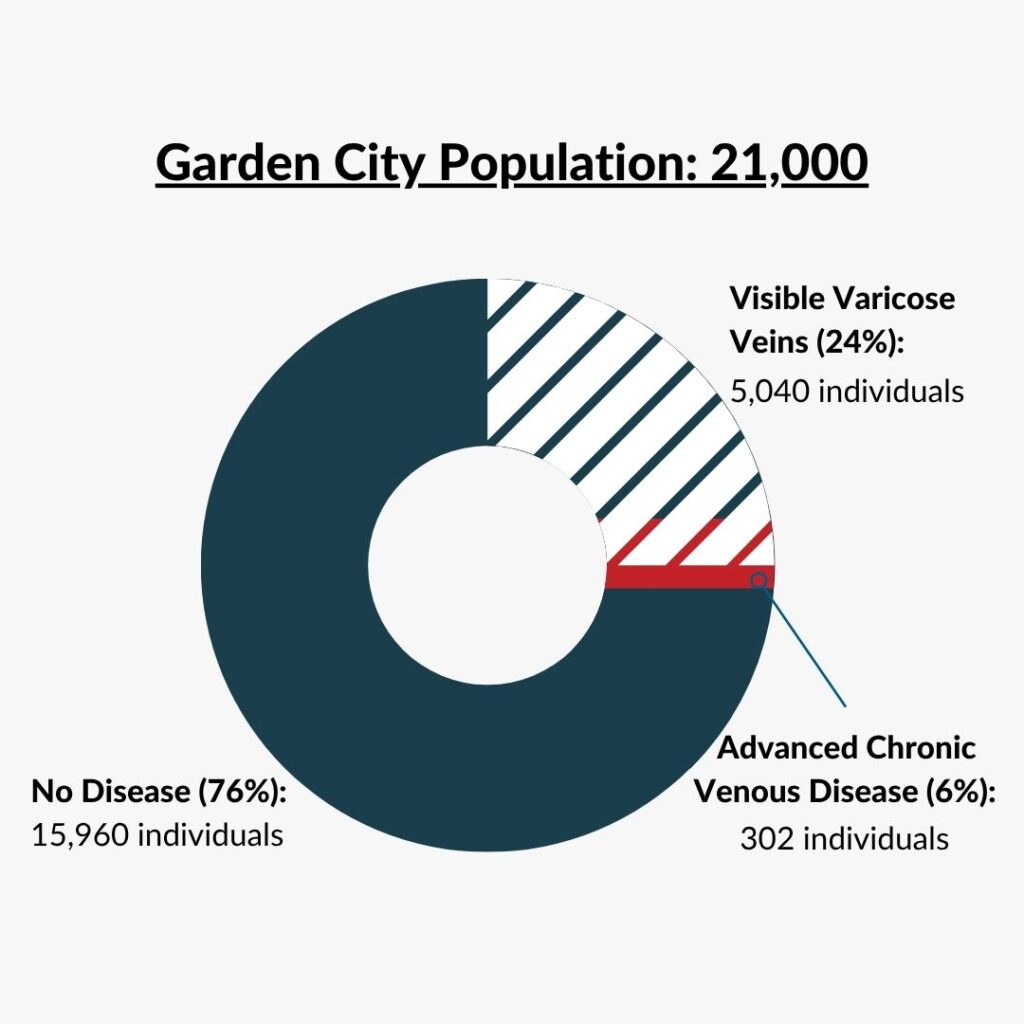
Venous diseases such as varicose veins are common throughout the United States. Research indexed by the National Library of Medicine estimates that approximately 24% of adults have visible varicose veins, while about 6% are affected by advanced chronic venous disease.
Garden City has an estimated adult population of roughly 21,000 residents. Applying these national estimates suggests that approximately 5,040 local adults may have visible varicose veins, while around 1,260 could be living with a more advanced venous condition.
Persistent swelling, leg heaviness, aching, itching, skin discoloration, slow-healing wounds, or veins that are becoming larger should be evaluated. These changes may indicate that pressure has been building in the lower-leg veins over time.
Duplex ultrasound allows the provider to examine blood flow, identify damaged valves, and determine whether monitoring, compression, or minimally invasive treatment is the most appropriate next step.
Many procedures are completed in 15 to 45 minutes, and most do not require a hospital stay or a prolonged recovery. Treatment can support the everyday mobility that matters to Garden City residents:
Improving circulation does not replace every other part of healthy aging, but treating confirmed venous reflux may reduce symptoms that interfere with movement. Contact the Taylor clinic for an evaluation when leg discomfort or skin changes are becoming more persistent.
When swelling or skin changes are present, the treatment plan usually starts with the larger refluxing vein identified on ultrasound. Radiofrequency ablation closes the vein with controlled heat, while VenaSeal uses a medical adhesive. Both are outpatient options that redirect blood through healthier veins.
Foam-based therapy can treat selected veins that are twisting, previously untreated, or associated with difficult areas. Microphlebectomy removes bulging surface veins through tiny openings. Compounded sclerotherapy and laser treatment are generally used for smaller surface veins and cosmetic concerns after any important underlying reflux has been addressed.
Medicare and other insurers may require evidence that the condition is medically necessary. The office helps document symptoms, ultrasound findings, prior conservative measures, and the proposed procedure. Patients receive an explanation of what is covered and what may remain self-pay before treatment begins.
Recovery instructions are based on the procedure and the patient’s mobility. Walking is often encouraged, while strenuous activity or heavy lifting may be limited temporarily. Follow-up ultrasound helps confirm that the treated vein is responding as expected.

Taylor Vein Solutions accepts most major insurance plans, including Medicare, Medicaid, and many HMO plans. Our team provides free insurance verification and assists with prior authorization when required.


Our treatment options are designed to address varicose veins, spider veins, and underlying venous reflux through small incisions, injections, catheter-based procedures, or medical adhesive when appropriate.
Highly trained vein specialist
Medicare may cover medically necessary treatment when symptoms, ultrasound findings, and conservative-care requirements are documented. Taylor Vein Solutions accepts Medicare and helps verify benefits and prepare the required paperwork.
Persistent itching, brown discoloration near the ankle, inflammation, thickened skin, or a wound that heals slowly can occur with advanced venous insufficiency. These changes should be medically evaluated.
The clinic is approximately 9 miles away. Most patients reach it in about 17 to 20 minutes using Middlebelt Road, Merriman Road, Inkster Road, Van Born Road, Ecorse Road, or Telegraph Road.
Treatment may reduce swelling when ultrasound confirms that venous reflux is contributing. Swelling can have other causes, so the provider must first review medical history, examination findings, and ultrasound results.
Walking is commonly encouraged after many minimally invasive procedures. The provider may temporarily limit strenuous exercise, heavy lifting, or prolonged activity depending on the treatment and your health.
Microphlebectomy removes large, raised surface veins through tiny skin openings under local anesthesia. It may be combined with treatment of an underlying refluxing vein when both problems are present.
Compression can improve symptoms and may be appropriate for some patients, but it does not repair faulty valves. Ultrasound findings and symptom severity help determine whether compression alone or a procedure is recommended.
Yes. The plan can address medically significant reflux first and then evaluate remaining spider or surface veins for cosmetic treatment. Insurance and self-pay portions are explained separately.


