


Active patients do not always connect leg fatigue, mild swelling, or nighttime cramps with a vein condition, especially when they can still exercise. Taylor Vein Solutions serves Northville city and Northville Township from its Romulus office, approximately 22 to 25 miles away. Patients in the 48167 and 48168 ZIP code areas typically reach the clinic in about 26 to 32 minutes.
Dr. Ganesh Ramaswami uses patient history, examination, and vascular imaging together rather than choosing a procedure from appearance alone. He is a board-certified surgeon, a Fellow of the Royal College of Surgeons, a Registered Physician in Vascular Interpretation, and the author of more than 60 surgical publications. A same-day ultrasound is often available to confirm whether reflux is present.
The Romulus clinic accepts most major insurance plans, Medicare, Medicaid, and many HMO plans. Free insurance verification and prior authorization assistance help patients understand the medical-necessity process. Cosmetic spider vein options are also available when the concern is primarily appearance.
Our clinic at 9950 Wayne Rd, Suite 300, Romulus, MI 48174 is accessible from Northville and Northville Township using major regional roads:
I-275 South to I-94 East: Take I-275 South, merge onto I-94 East, and exit at Wayne Road. Continue south to the clinic near Goddard Road. Approximately 26 to 32 minutes from central Northville.
Haggerty Road South: Follow Haggerty Road south toward the airport area, connect with I-94 East or Van Born Road, and continue to Wayne Road. About 28 to 34 minutes from eastern Northville Township.
Six Mile Road to I-275 South: From the township, use Six Mile Road to reach I-275 South, merge onto I-94 East, and take the Wayne Road exit. Approximately 30 to 35 minutes, depending on traffic and your starting point.
Mon – Fri: 9:00am – 5:00pm
Sat – Sun: Closed
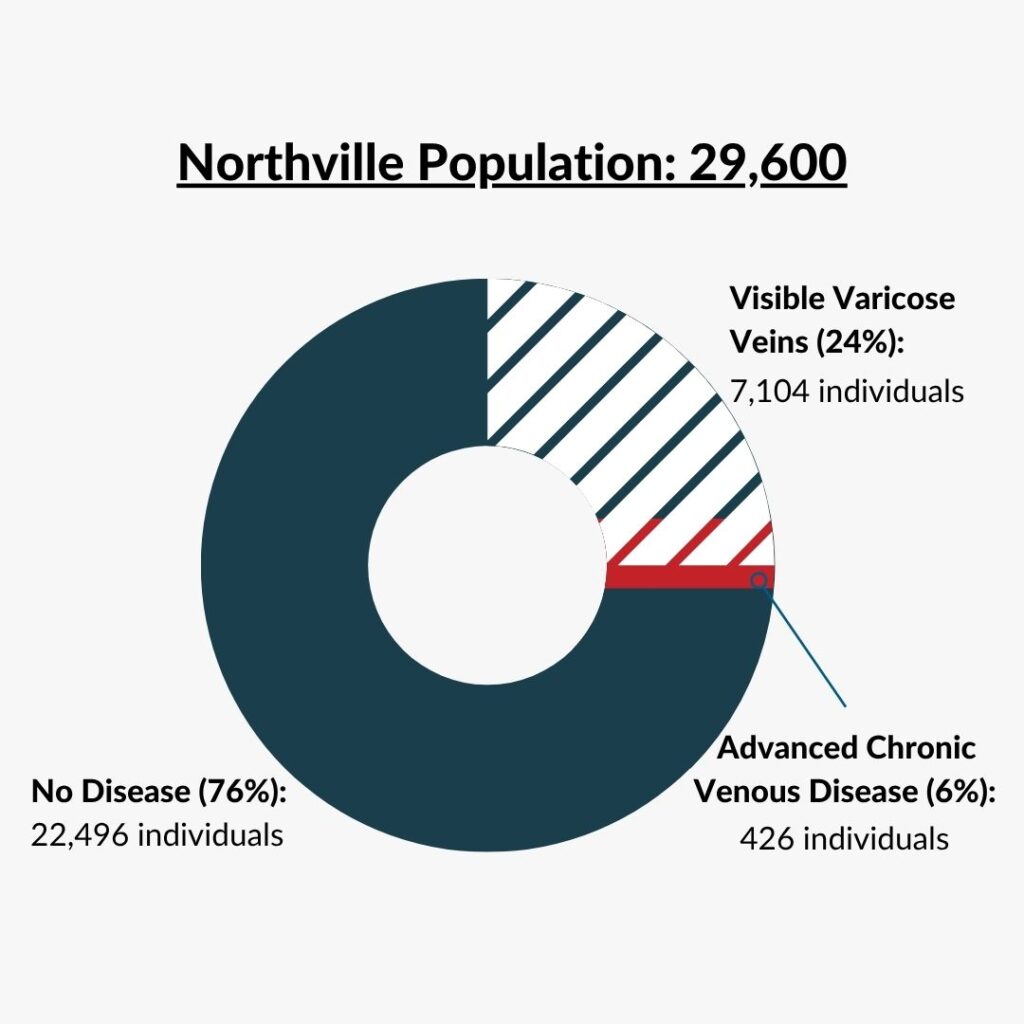
Venous conditions can affect people with active routines as well as those with limited mobility. Research indexed by the National Library of Medicine estimates that approximately 24% of adults have visible varicose veins, while around 6% have advanced chronic venous disease.
Northville city and Northville Township have a combined estimated adult population of roughly 29,600 residents. Applying these national estimates suggests that about 7,100 local adults may have visible varicose veins, while approximately 1,780 could be living with a more advanced venous condition.
Aching, swelling, leg fatigue, nighttime cramps, itching, restless legs, skin changes, or veins that become larger over time may be signs of venous reflux. Fitness and regular activity do not prevent faulty valves from developing.
Duplex ultrasound can confirm whether blood is flowing backward, identify the affected vein, and help the provider recommend monitoring, compression, or a minimally invasive procedure based on the findings.
Most procedures are performed in the office, and many take only 15 to 45 minutes. After following the recommended recovery guidance, patients can return to the outdoor and community activities that make Northville distinctive:
When leg heaviness or swelling starts limiting distance, pace, or recovery, an evaluation can clarify whether circulation is involved. Contact the Romulus clinic to discuss your symptoms.
Vein treatment should be based on blood flow and anatomy, not on how active a patient appears to be. Duplex ultrasound identifies refluxing veins and shows whether symptoms are connected to superficial venous insufficiency. The results also help the provider decide whether treatment is necessary or whether monitoring is reasonable.
Radiofrequency ablation, VenaSeal, and foam-based therapy are options for larger or refluxing veins. Compounded sclerotherapy and laser treatment address smaller varicose veins and spider veins. Microphlebectomy can remove prominent surface veins that are not well suited to injection treatment.
The plan can account for exercise goals, work demands, procedure timing, compression instructions, insurance requirements, and the number of veins involved. When both medical and cosmetic issues are present, the underlying reflux is generally treated first.
Northville and township residents can receive diagnostic imaging, treatment planning, and follow-up care at the Romulus location. Schedule a consultation to receive a recommendation based on your symptoms and ultrasound findings.
Taylor Vein Solutions accepts most major insurance plans, including Medicare, Medicaid, and many HMO plans. Our team provides free insurance verification and assists with prior authorization when required.
Our treatment options are designed to address varicose veins, spider veins, and underlying venous reflux through small incisions, injections, catheter-based procedures, or medical adhesive when appropriate.
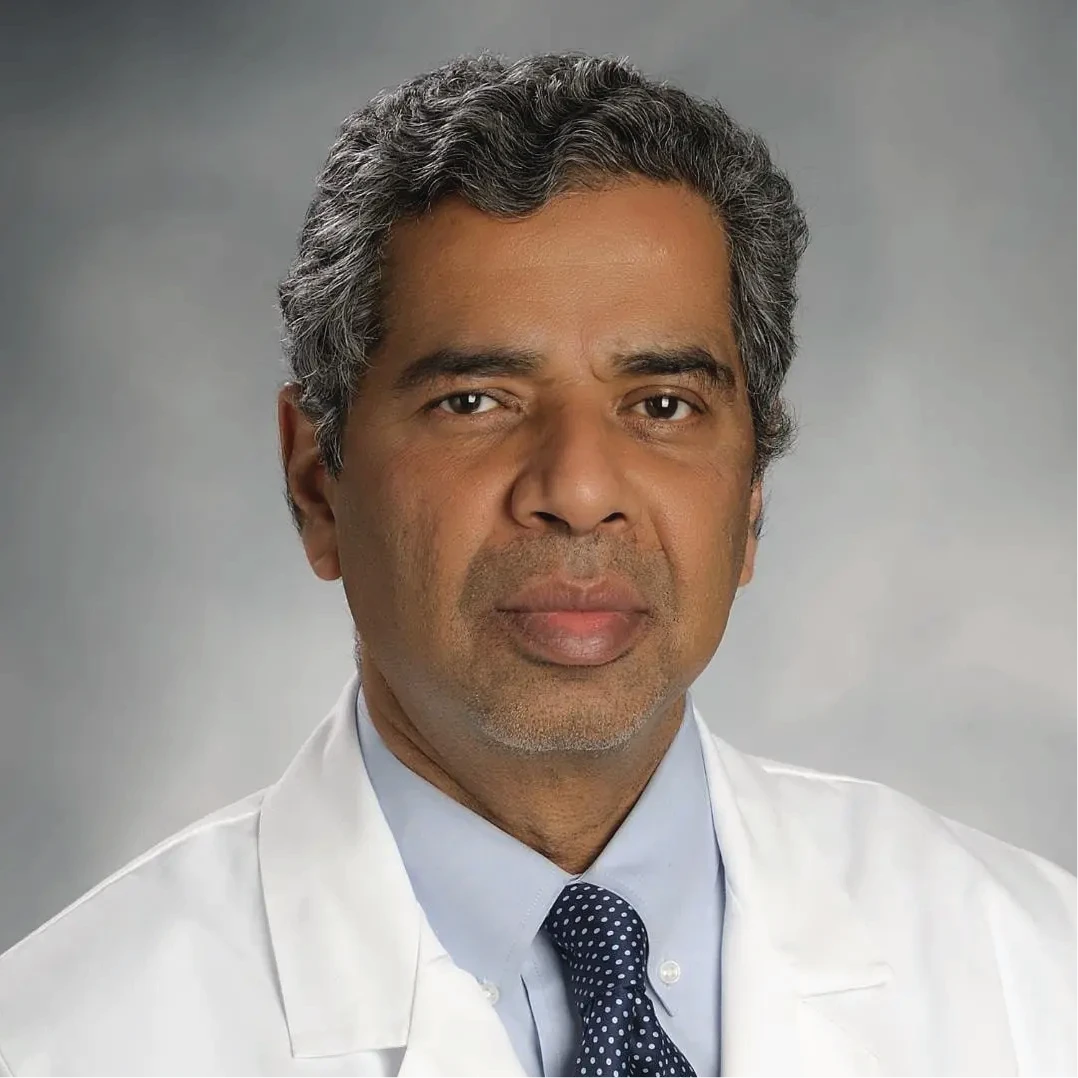
Highly trained vein specialist
Yes. Taylor Vein Solutions serves patients from Northville city, Northville Township, and the 48167 and 48168 ZIP code areas.
The clinic is approximately 22 to 25 miles from central Northville. Most trips take about 26 to 32 minutes using I-275, I-94, Haggerty Road, or Wayne Road.
Yes. Regular exercise supports overall circulation but does not prevent inherited or damaged vein valves. Symptoms such as swelling, heaviness, cramps, itching, or enlarging veins should still be evaluated.
The right treatment depends on the vein anatomy and ultrasound findings. Radiofrequency ablation, VenaSeal, foam-based therapy, and microphlebectomy address different types and locations of veins.
The sequence depends on how many veins are affected and whether one or both legs need care. Patients generally need an evaluation, one or more treatment visits, and follow-up imaging.
A successfully closed or removed vein does not return to normal function, but venous disease can progress and other veins may become abnormal later. New symptoms should be evaluated.
Most patients report temporary pressure, pinching, or mild discomfort rather than significant pain. Local anesthesia is used when appropriate, and minor bruising or soreness can occur afterward.
Medical treatment addresses symptoms and underlying reflux and may be covered when policy criteria are met. Cosmetic care focuses on appearance and is usually self-pay. An ultrasound helps clarify which category applies.


