



For Dearborn Heights patients, the easiest medical appointment is often the one that fits a familiar route. Taylor Vein Solutions sits directly south on Telegraph Road, about 7 miles from the center of the city. Residents in both the 48125 and 48127 ZIP code areas can usually reach the Taylor office in 12 to 15 minutes, which makes the initial evaluation, treatment visits, and follow-up imaging easier to manage.
The visit is designed to answer a more useful question than simply whether a vein is visible. Dr. Ganesh Ramaswami and the vascular team evaluate how your legs feel, when symptoms appear, and whether swelling, heaviness, cramping, restless legs, or skin changes worsen as the day goes on. A same-day duplex ultrasound is often available to show whether faulty valves are allowing blood to move backward and collect in the lower leg.
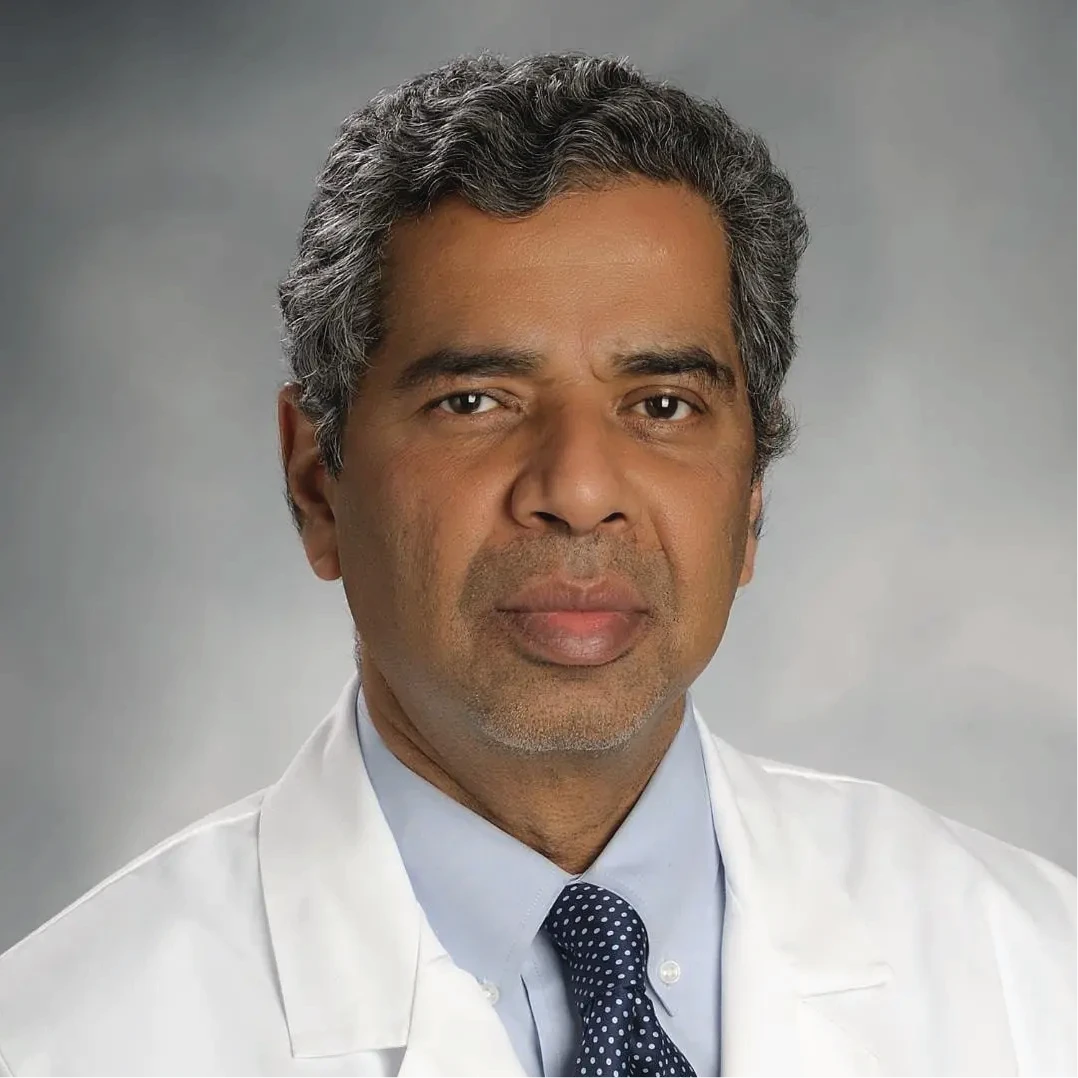
Dr. Ramaswami is a board-certified surgeon and a Registered Physician in Vascular Interpretation. His background also includes Fellowship in the Royal College of Surgeons and more than 60 surgical publications. That combination of surgical judgment and vascular imaging experience helps the team separate cosmetic surface veins from the deeper reflux that may be driving discomfort.
Taylor Vein Solutions accepts most major insurance plans, Medicare, Medicaid, and many HMO plans. Free benefit verification is available, and the office manages prior authorization when a plan requires documentation before medically necessary treatment.
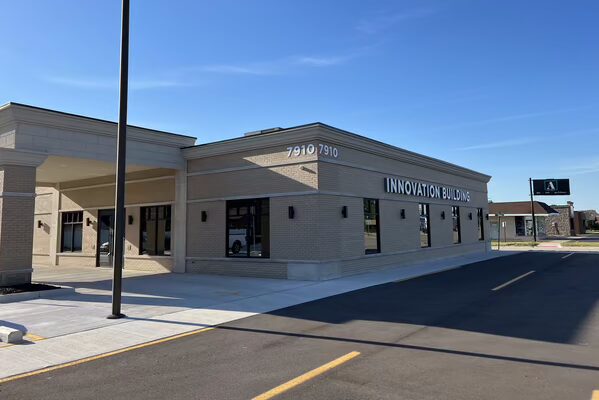
Our clinic at 12701 Telegraph Rd, Suite 102, Taylor, MI 48180 is directly south of Dearborn Heights:
Telegraph Road South: Follow Telegraph Road south through Dearborn Heights and continue into Taylor. The clinic is near Wick Road. Approximately 12 to 15 minutes from central Dearborn Heights.
Beech Daly Road South: Take Beech Daly Road south, turn east on Wick Road, and continue to Telegraph Road. This route is useful from central and western Dearborn Heights. About 15 to 18 minutes.
Inkster Road to Van Born Road: Travel south on Inkster Road, turn east on Van Born Road, and then continue south on Telegraph Road. Approximately 18 to 20 minutes, depending on your starting point.
Mon – Fri: 9:00am – 5:00pm
Sat – Sun: Closed
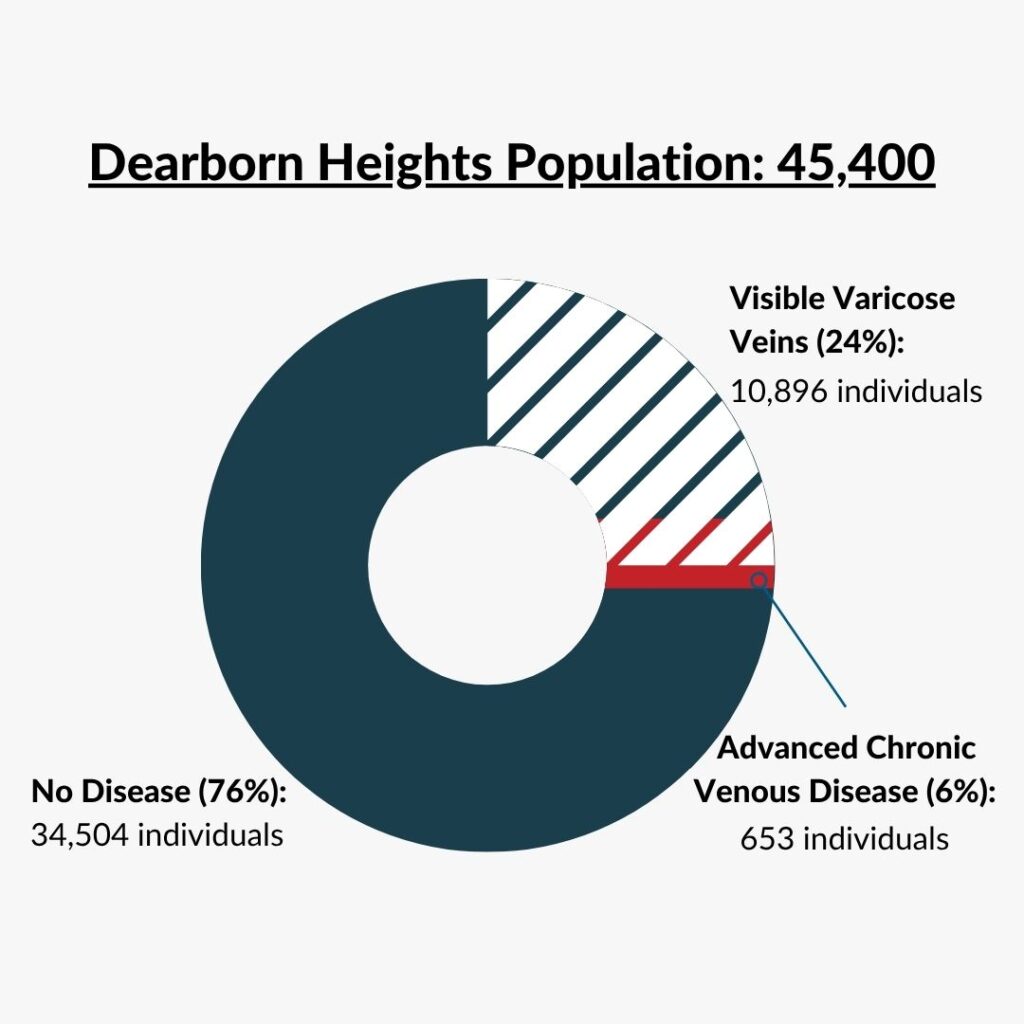
Venous diseases, including varicose veins, are more common than many people realize. Research indexed by the National Library of Medicine estimates that approximately 24% of adults have visible varicose veins, while about 6% are living with more advanced chronic venous disease.
Dearborn Heights has an estimated adult population of roughly 45,400 residents. Applying these national estimates suggests that about 10,900 local adults may have visible varicose veins, while approximately 2,720 could be affected by chronic venous disease.
Changes such as recurring ankle swelling, leg heaviness, aching, nighttime cramps, skin discoloration, or veins that are becoming more noticeable should not be ignored. These symptoms may indicate that damaged vein valves are allowing blood to collect in the lower legs.
Our vein specialists can use duplex ultrasound to determine whether venous reflux is present and recommend the appropriate next step, which may include monitoring, compression, or minimally invasive treatment.
Many vein procedures take 15 to 45 minutes and are completed without a hospital stay. The short drive down Telegraph Road can make it easier to receive care while keeping up with familiar routines:
The goal is not simply to remove a visible vein. It is to help you move through work, errands, recreation, and family time with fewer symptoms. Schedule a consultation to find out whether venous reflux is affecting your legs.
Treatment at the Taylor clinic starts with the vein that is causing the pressure, not necessarily the vein that is easiest to see. When ultrasound shows reflux in a larger superficial vein, the plan may begin with radiofrequency ablation or VenaSeal. RFA uses controlled thermal energy, while VenaSeal uses a medical adhesive without heat.
Foam-based vein therapy can be useful for larger, twisting veins or areas that are difficult to reach with a catheter. Compounded sclerotherapy and laser treatment are more commonly considered for smaller veins near the skin. Microphlebectomy removes prominent bulging veins through tiny openings when their size or shape makes injection treatment less suitable.
Dearborn Heights patients may need only one targeted procedure, or they may need a staged plan that treats the underlying reflux before remaining spider or surface veins. The team explains why each step is recommended, what insurance may cover, and what recovery instructions apply to that specific procedure.
With the Taylor office directly down Telegraph Road, patients can return conveniently for post-treatment ultrasound or additional care when more than one vein or leg is involved.

Taylor Vein Solutions accepts most major insurance plans, including Medicare, Medicaid, and many HMO plans. Our team provides free insurance verification and assists with prior authorization when required.


Our treatment options are designed to address varicose veins, spider veins, and underlying venous reflux through small incisions, injections, catheter-based procedures, or medical adhesive when appropriate.
Highly trained vein specialist
The Taylor clinic at 12701 Telegraph Road is the most direct option for most Dearborn Heights residents. It is approximately 7 miles from the center of the city and commonly takes 12 to 15 minutes by Telegraph Road.
Occasional swelling can have several causes. An evaluation is appropriate when swelling returns frequently, worsens after standing or sitting, affects one or both ankles, or occurs with heaviness, aching, visible veins, itching, or skin discoloration.
Not every cosmetic spider vein requires an ultrasound. However, an ultrasound may be recommended when spider veins occur with swelling, pain, heaviness, larger varicose veins, skin changes, or other signs that suggest underlying venous reflux.
Taylor Vein Solutions accepts Medicare, Medicaid, many HMO plans, and most major insurance carriers. Coverage depends on the policy and whether symptoms and ultrasound findings meet medical-necessity requirements.
Radiofrequency ablation closes a refluxing vein with controlled heat. VenaSeal uses a medical adhesive and does not rely on thermal energy. The provider recommends an option after reviewing vein anatomy, symptoms, medical history, and ultrasound results.
Yes. The team can review symptoms in both legs and determine which areas require ultrasound. Treatment may be staged later, depending on the number of affected veins, insurance requirements, and the procedures recommended.
Many patients return to desk work and normal daily activity the same day after minimally invasive treatment. More physical jobs and microphlebectomy may require temporary restrictions or 24 to 48 hours of lighter activity.
Yes. When ultrasound shows underlying reflux, medical treatment is usually addressed first. Remaining spider veins can then be evaluated for compounded sclerotherapy or laser treatment, which is commonly self-pay when the concern is cosmetic.


